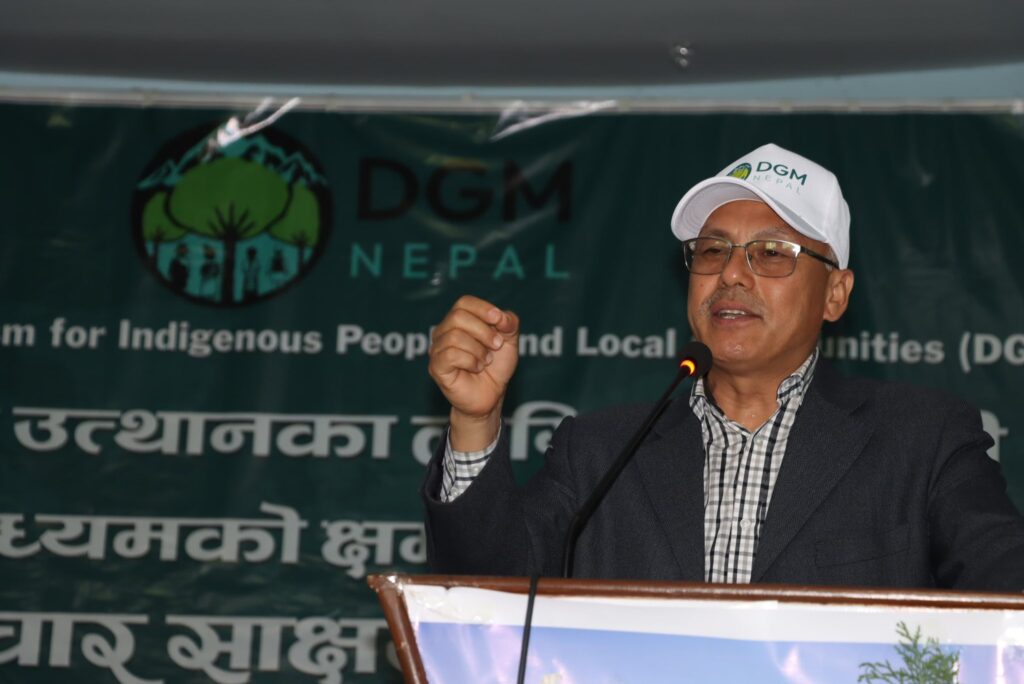
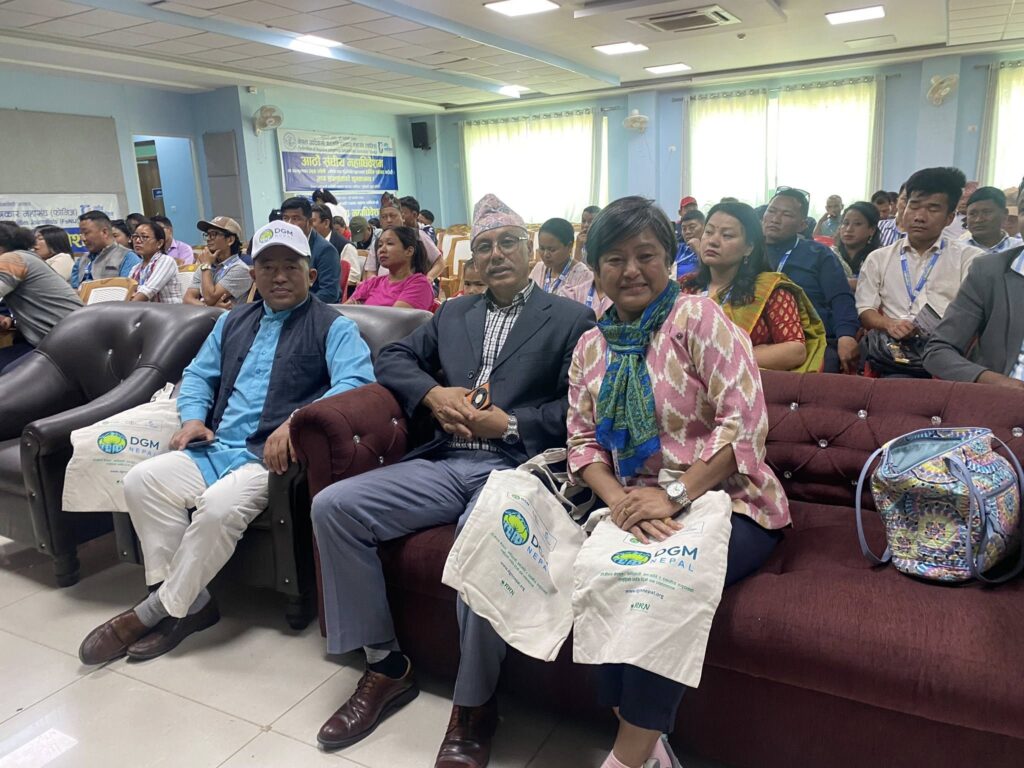
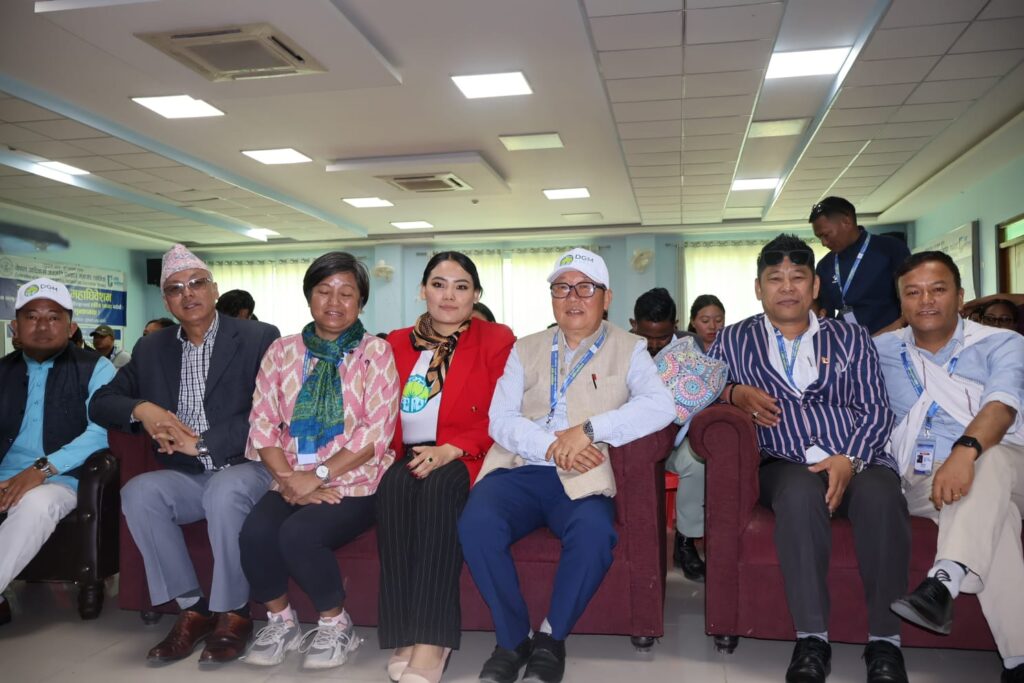
This capacity-building initiative brought together over 80 participants—including Indigenous journalists, media institutions, policy makers, and civil society actors—from all seven provinces, with a dedicated focus on the use of Indigenous media for advocacy, information dissemination, and investigative journalism in the context of climate justice, REDD+, and SFM.
Key Focus Areas and Impact:
- Understanding REDD+ and SFM through an Indigenous lens:
The program enabled community-based journalists to deepen their grasp of REDD+ mechanisms, forest carbon governance, and SFM frameworks, particularly from a rights-based and justice-oriented perspective. - Amplifying voices through Indigenous media:
Through hands-on sessions, participants explored ways to use local language radio, grassroots publications, and community media to raise awareness and mobilize communities around forest rights, climate risks, and benefit-sharing mechanisms under REDD+. - Policy advocacy and ethical journalism:
Journalists were equipped with tools to investigate policy gaps, monitor forest governance, and hold duty-bearers accountable, while upholding principles of ethics, identity sensitivity, and free prior informed consent (FPIC) in reporting. - Showcasing success stories and professional challenges:
Indigenous communicators shared real-world experiences of navigating political barriers, representation issues, and digital exclusion, while highlighting the power of storytelling to defend customary land and forest rights.
Voices from the Field:
“We’ve often been subjects of stories, but not storytellers. This conference helped us claim that space in REDD+ and forest governance,”
— Indigenous Journalist, Karnali Province
— Indigenous Journalist, Karnali Province
“This platform helped us connect REDD+ policies to real stories on the ground—and see our role as communicators in holding systems accountable.”
— Journalist, Madhesh Province
— Journalist, Madhesh Province